Living in Leavenworth KS: A Guide to Historic Leavenworth
May 21, 2026
May 21, 2026
If you are drawn to places with real character, Historic Leavenworth stands out right away. This is not a copy-and-paste suburb or a downtown that only looks lively on weekends. Living here means being surrounded by preserved architecture, river views, local businesses, and a strong sense of place that shows up in everyday life. Let’s take a closer look at what it’s like to live in Historic Leavenworth.
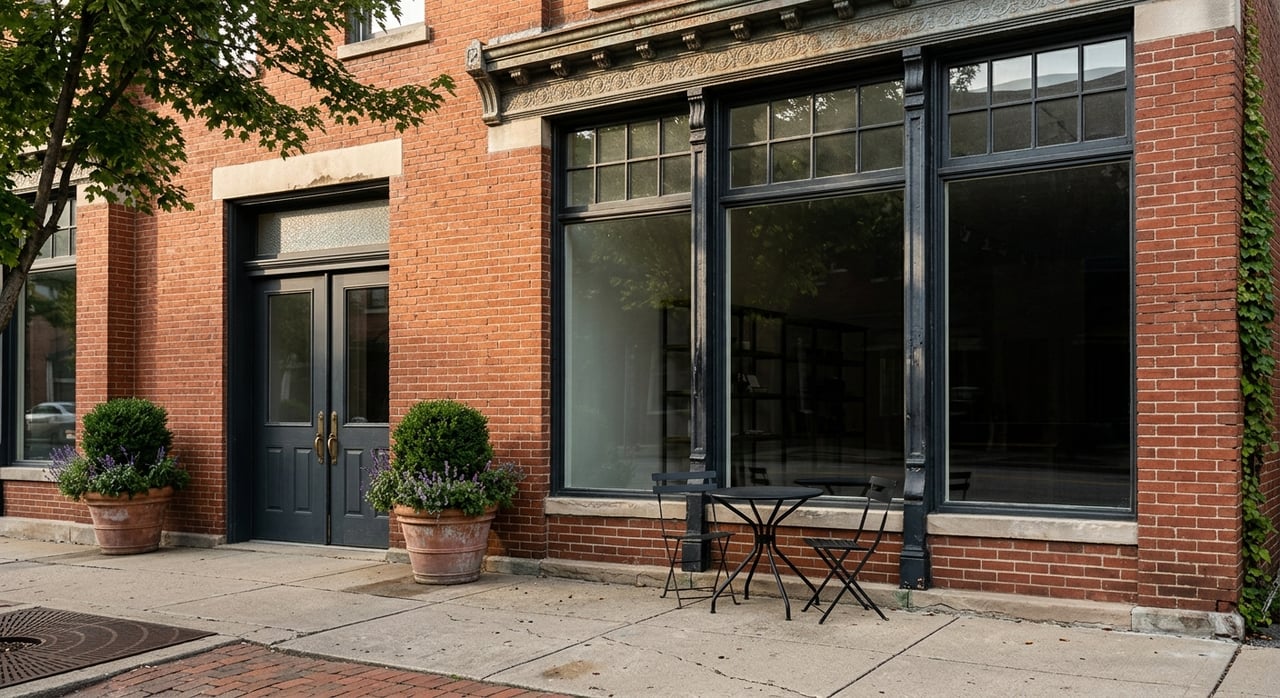
Leavenworth describes itself as Kansas’ First City, and that identity is more than branding. The city says its historic district covers 28 blocks, which gives downtown a distinct look and feel that is hard to miss. If you want a community where history is visible in the streetscape, Historic Leavenworth offers that from the start.
The city feels compact and established rather than spread out. According to the U.S. Census Bureau, Leavenworth had an estimated population of 37,370 in 2024, with a mean commute time of 19.6 minutes. That combination can appeal if you want a smaller-city setting that still connects to the broader Kansas City area.
One of the biggest draws of Historic Leavenworth is how lived-in it feels. The downtown core is not just for visitors. The city says the historic district includes locally owned shops and a dining mix that ranges from classic American fare to Mexican, sushi, and Thai, which gives you practical options for a casual night out or a quick stop during the week.
That local rhythm matters if you want daily convenience with personality. Instead of generic strips, you get a setting where historic buildings are part of normal errands, coffee runs, and meals out. Some restaurants even operate in landmark spaces, including Bailey’s Irish Pub in a building dating to 1903 and The Depot in a former Santa Fe train station that began service in 1887.
Historic districts can sometimes feel more scenic than useful, but Leavenworth’s downtown appears to function as both. The city highlights full blocks of local shops and a range of dining options in the historic core. That suggests a place where you can actually build routines around downtown, not just visit it once in a while.
If you value a neighborhood with visual interest, this can be a big plus. Historic storefronts, older buildings, and established civic spaces create a setting that feels layered rather than newly assembled. For many buyers, that is a major part of the appeal.
Living in Historic Leavenworth also means the Missouri River is part of your backdrop. The city’s parks information highlights several public spaces tied to the river, including North Esplanade Park, Leavenworth Landing Park, and Riverfront Park & Campground. These are not isolated attractions. They help shape the pace of daily life.
Leavenworth Landing Park includes a paved walking trail, and the visitor bureau specifically points to it as a place to picnic and spend time along the river. If you like getting outside without planning a full day trip, that kind of access can be a real quality-of-life benefit. It makes walks, views, and open space easier to work into a normal week.
North Esplanade is one of the clearest examples of Leavenworth’s historic character. The city’s historic district booklet says the North Esplanade Historic District was the city’s first historic district, designated in 1977, and includes fourteen residences plus North Esplanade Park. The booklet describes it as one of the most cohesive and unified neighborhoods in Leavenworth.
North Esplanade Park sits on the bluff above the Missouri River and overlooks Missouri. The same booklet notes benches, vintage-style lampposts, and interpretive audio stations, all of which add to the old-town feel. If you picture living somewhere with scenic public space and a strong visual identity, this area captures that well.
Historic Leavenworth is not only about old buildings. The city’s parks directory shows a wide range of recreation options, including playgrounds, pickleball courts, baseball fields, splash features, a skate park, and trail access. That variety supports different lifestyles without requiring long drives across town.
Havens Park adds even more outdoor options with mountain bike trails, a paved walking trail, and an unpaved nature trail. Whether you enjoy a quiet walk, active recreation, or just having public green space nearby, Leavenworth offers more than a simple historic downtown setting. It combines heritage with usable outdoor amenities.
If you live in Historic Leavenworth, local history is not tucked away in a single museum. It shows up across the community in cultural sites, preserved homes, and public storytelling. The visitor bureau highlights the C.W. Parker Carousel Museum, the Richard Allen Cultural Center and Museum, and the Carroll Mansion as key attractions, while the city also lists the First City Museum and the Fred Harvey Museum.
This gives the city a broader cultural range than many people might expect. The Richard Allen Cultural Center and Museum, for example, was created to preserve African-American history locally and nationally, and the city notes its location across from the historic Bethel A.M.E. Church, which was part of the Underground Railroad. That kind of local institution adds depth to the community’s identity.
One important thing to know about living in Historic Leavenworth is that preservation is taken seriously. The city says changes to properties in registered historic districts or on the historic register may require review under state law and or a Certificate of Appropriateness. In plain terms, historic character is not only celebrated. It is also protected.
For some homeowners, that is a major advantage. It can help preserve the architectural feel that made the area attractive in the first place. It also means that if you are considering a home in a historic district, it is smart to understand what property changes may involve.
Even if you do not live on post, Fort Leavenworth is part of the area’s broader identity. The Army says it is the oldest continuously active military reservation in the United States west of Washington, D.C. Public attractions there include historic sites and homes, a museum, picnic areas, parks, and an 18-hole golf course.
That presence adds another layer to Leavenworth’s historic and civic identity. It helps explain why the city feels grounded in institutions and long-established landmarks. For many residents, that contributes to the area’s distinct personality.
Historic character matters, but practical details matter too. According to the U.S. Census Bureau, Leavenworth’s 2020 to 2024 median household income was $72,987, and median gross rent was $1,229. Those figures help provide a basic snapshot of the local market and cost picture.
The city also notes that Leavenworth is close to both Fort Leavenworth and Kansas City. That can make it appealing if you want a home base with its own identity while still staying connected to the larger metro. For buyers and renters alike, that balance is often a key reason to consider the area.
Historic Leavenworth can be a strong fit if you want more than square footage alone. You may enjoy living here if you value older architecture, local businesses, riverfront access, and a downtown that feels active and established. It may also appeal if you want a smaller city environment with a shorter average commute.
At the same time, a historic area often comes with tradeoffs. Homes and streetscapes may reflect older design patterns, and preservation rules can affect future updates in some locations. If you are thinking about buying here, it helps to compare your lifestyle priorities with the realities of a preservation-minded neighborhood.
If you are exploring homes in Leavenworth, working with someone who understands how neighborhood character, property type, and local market conditions fit together can make your search much easier. Meredith Sterling can help you evaluate whether Historic Leavenworth matches your goals and guide you through your next move with local insight.
Stay up to date on the latest real estate trends.


We pride ourselves in providing personalized solutions that bring our clients closer to their dream properties and enhance their long-term wealth.