Johnson County MO College Rentals Near UCM
June 4, 2026
June 4, 2026
College rentals can look simple on paper, but the details matter fast. If you are thinking about investing near the University of Central Missouri in Warrensburg, you need more than a general idea of “student demand.” You need to understand who rents off campus, what unit types fit the market, how the academic calendar affects turnover, and where local rules can affect your budget. Let’s dive in.
Warrensburg sits in Johnson County and is home to UCM’s main campus, which creates a built-in renter base tied to the university. As of July 2025, Warrensburg’s population was 20,283 and Johnson County’s was 56,670. The city also shows a more renter-heavy profile than the county overall, with an owner-occupied rate of 46.2% in Warrensburg compared with 63.5% countywide.
That renter profile matters if you are evaluating an investment near campus. Median gross rent was reported at $921 in Warrensburg and $932 across Johnson County, which gives you a useful baseline for the local rental market. In a college town, though, average rent only tells part of the story because student housing often follows a different leasing rhythm than standard long-term rentals.
UCM requires students to live on campus for their first two years, although some students qualify for exemptions based on age, credits, and other factors. Even with that requirement, the off-campus market is meaningful. In Fall 2024, 71.2% of undergraduates lived off campus, while 28.8% lived on campus.
That off-campus pool is likely made up largely of upperclassmen, transfer students, and exempt students. UCM also reported 83% residence hall occupancy and 98% apartment occupancy in 2024-25. For you as an investor, that points to steady housing demand beyond the first-year student population.
If you are trying to estimate what a rental might earn, UCM’s own housing rates offer a strong local benchmark. For the 2025-26 academic year, residence halls cost $3,169 to $3,846 per semester. Campus apartments ranged from $657 to $1,014 per month depending on the unit type.
Some examples help frame the market. Central Village was listed at $674 to $971 per month, Foster-Knox and Nickerson at $825, Greenwood Park at $887, Todd two-bedroom units at $1,014, and The Crossing at $657 to $677 per person. These figures matter because students and families often compare private rentals against campus or campus-adjacent options.
Current asking rents in Warrensburg also help define the local ceiling by unit size. As of May 2026, average asking rents were about:
Live off-campus listings near UCM show a wider spread depending on layout and product type. Bedroom-based apartment communities have advertised 2-bedroom units starting around $540 and 4-bedroom units around $400 per bed. Houses and townhomes near campus have commonly listed around $750 for a small 1-bedroom house, $1,200 to $1,750 for 3-bedroom homes, and $1,850 to $2,500 for 4- to 5-bedroom homes.
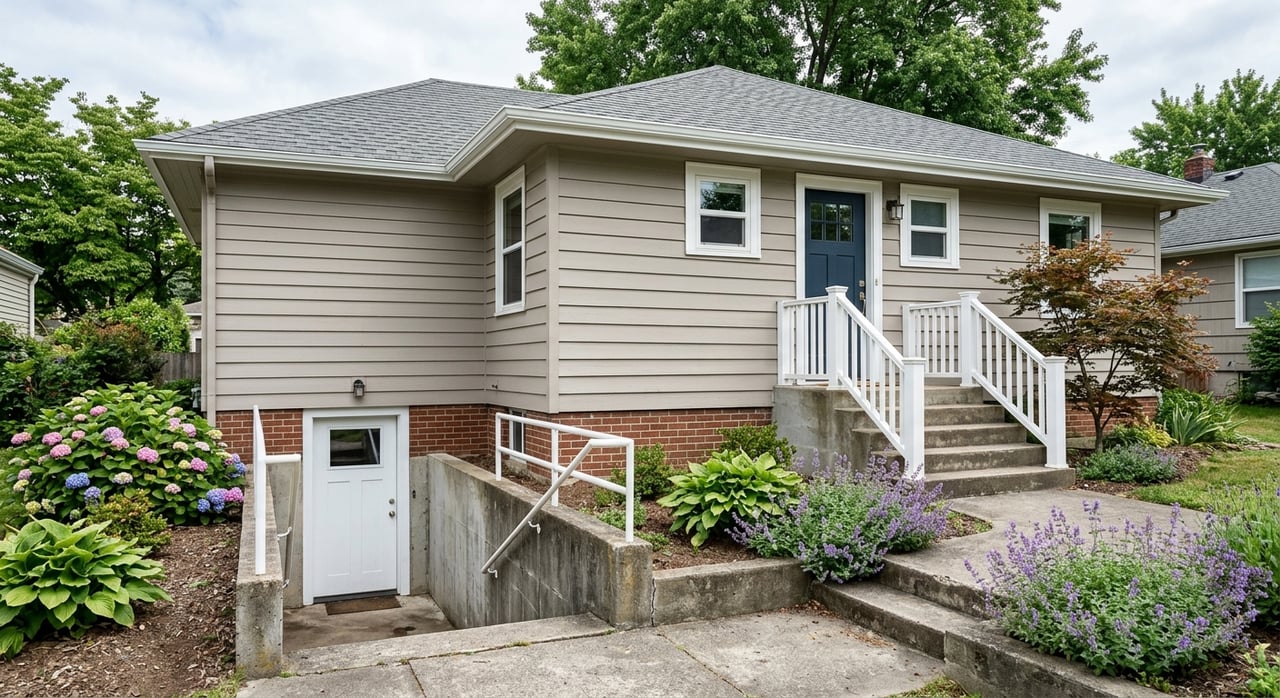
In this market, not every property will perform the same way. The most practical fit is often a well-kept 2- to 4-bedroom home or apartment unit that works for roommates and aligns with local pricing. That setup tends to match how many students rent once they move off campus.
Bedroom count can be a major value driver because roommate-friendly layouts spread housing costs across multiple tenants. A 3- or 4-bedroom property may appeal to students looking to share expenses, while still giving you a product that fits the wider rental market if your tenant mix changes later.
Smaller 1-bedroom units can work too, but they compete more directly with lower-cost apartment options. Larger houses may bring in more total rent, but they can also require more upkeep and tighter management during turnover. The right fit depends on your budget, renovation plan, and how involved you want to be.
UCM’s campus housing gives you a picture of what many students already expect. Residence hall rooms include beds, desks, chairs, dressers, wireless internet, utilities, and access to designated student parking. That does not mean every private rental must copy that setup exactly, but convenience clearly matters.
UCM’s on-campus apartments also differ from nearby inventory in one key way. Todd, Foster-Knox, and Nickerson are on campus, while Greenwood Park and Central Village are near campus. The on-campus units are furnished, while the near-campus units are not.
That gives private owners a few practical ways to stand out:
In other words, price is not the only factor. Convenience, condition, and usability can make a real difference when students compare options.
One of the biggest differences between a student rental and a standard long-term rental is timing. UCM’s housing cycle clusters around mid-July sign-ups, mid-August fall move-in, and early January spring move-in. Room and roommate information is released by late June for fall and just before the holidays for spring.
For an investor, that means your busiest operating windows are likely to land in late summer and around the new year. Those periods often compress cleaning, repairs, inspections, and lease turnover into a short stretch of time. If you prefer a slower and more predictable rental schedule, this is an important reality check.
Student leasing is also more deadline-driven. UCM notes that room assignments are first come, first served, room changes can be requested after the first two weeks, and residence hall agreements run for the full year. That kind of schedule shapes how students search, compare, and commit to housing off campus too.
If you are buying near UCM, local upkeep standards should be part of your numbers from day one. Warrensburg’s property maintenance code applies to residential structures and focuses enforcement on items such as pests, mold, roof integrity, vegetation touching structures, windows and doors, fences and accessory buildings, and exterior paint condition.
That means deferred maintenance can become more than just a cosmetic issue. A student rental with annual turnover may experience heavier wear, so regular inspections and prompt repairs are especially important. Well-maintained properties are easier to lease and easier to protect over time.
If you plan to renovate, Warrensburg also requires general contractors and subcontractors to hold a current city business license. The city adopted the 2024 International Building Codes effective March 1, 2025. Before starting updates, make sure your contractor team is properly licensed and working to current local standards.
Security deposits are another area where process matters. Under Missouri law, a landlord may not collect more than two months’ rent as a security deposit. The landlord must return the deposit or provide an itemized list of damages within 30 days after the tenancy ends.
The law also allows tenants to recover twice the amount wrongfully withheld. In a student rental, where move-outs can happen in batches and property wear may be more noticeable, documentation becomes especially important. Photos, inspection notes, and clear records can help protect you if questions come up later.
Some investors wonder whether a short-term rental could be a better play near campus. In Warrensburg, that is a separate strategy with its own rules. The city requires short-term rentals and bed-and-breakfasts to have a business license and inspection, and it collects a 5% lodging tax.
That does not make short-term rentals wrong. It just means they are not a direct substitute for long-term student leasing. If your goal is to serve the UCM housing cycle, a traditional long-term rental is a different product with a different operating model.
A college rental near UCM can make sense if you are comfortable with annual turnover, tighter leasing windows, and a more hands-on management style. This strategy tends to fit investors who want to buy close to campus, offer enough bedrooms for shared living, and keep the property in solid condition.
It may be less appealing if you want a very low-maintenance property or a highly passive ownership experience. In that case, another type of rental may line up better with your goals. The opportunity near UCM is real, but the best results usually come from buying with the student calendar, local rent ceilings, and maintenance standards in mind.
If you are weighing an investor purchase in Johnson County, it helps to look at the numbers and the day-to-day reality together. A property that looks good on a spreadsheet still needs the right location, layout, and operating plan. When you want a local perspective on Warrensburg-area opportunities, connect with Meredith Sterling for practical, neighborhood-focused guidance.
Stay up to date on the latest real estate trends.


We pride ourselves in providing personalized solutions that bring our clients closer to their dream properties and enhance their long-term wealth.