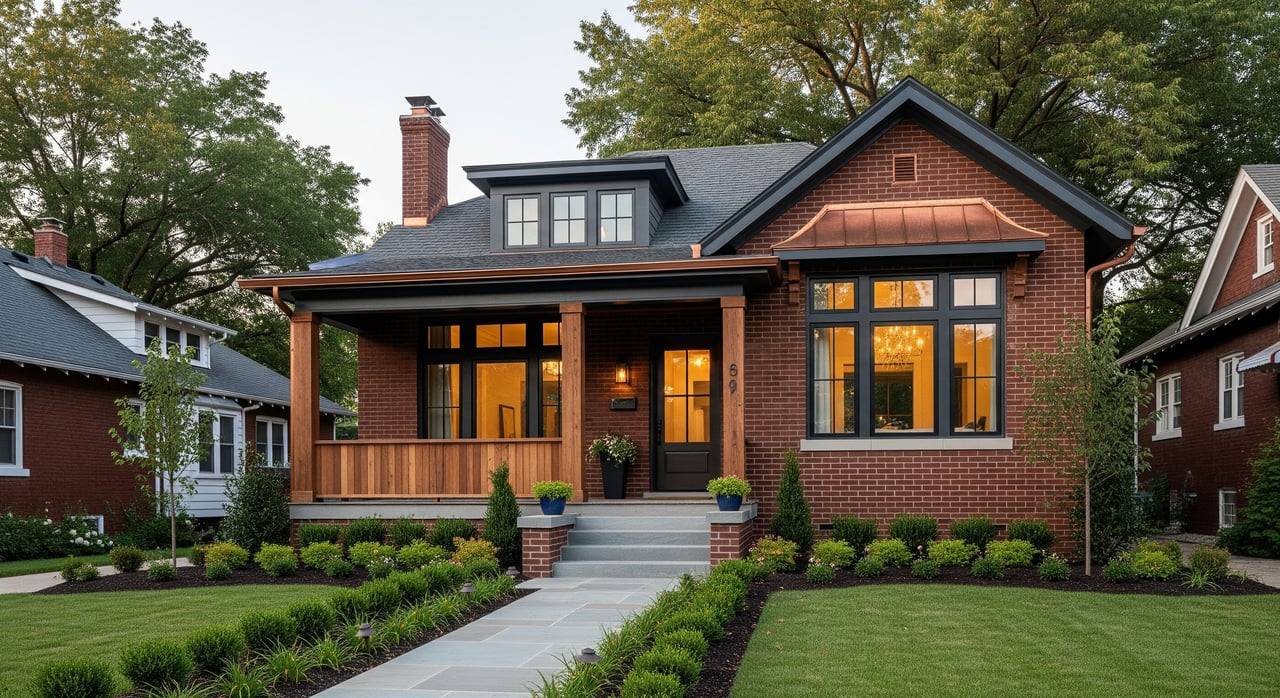
BRRRR Investing in Jackson County: 64133 Playbook
January 15, 2026
January 15, 2026
Thinking about BRRRR in Kansas City but unsure how to start in Jackson County’s 64133? You’re not alone. Older homes, changing rents, and permit rules can make the process feel complex. In this playbook, you’ll learn how to find deals, scope rehab, underwrite rents, plan your refinance, and stay aligned with local requirements. By the end, you’ll have a simple, repeatable process you can use with confidence. Let’s dive in.
BRRRR stands for Buy, Rehab, Rent, Refinance, Repeat. In 64133, success starts when you buy at a discount, manage a predictable rehab, stabilize the property with a quality lease, and refinance to recover capital while keeping cash flow intact. Many homes here are older, so plan for deferred maintenance, system updates, and potential lead paint if built before 1978. Use conservative assumptions throughout to protect against vacancy, lease-up timing, and shifting market conditions.
Your primary channel is the local MLS, which includes traditional listings and bank or REO inventory. Work with a local agent who understands investor criteria for 64133 so you can move quickly on workable numbers. HUD and institutional REO lists can also surface opportunities in the Kansas City metro.
Local wholesalers, investor meetups, and Facebook groups often share off-market properties. KC REIA and similar investor communities can help you learn operators’ rules of thumb and typical rehab scopes. Combine these leads with smart underwriting, not seller-provided estimates.
Jackson County Sheriff foreclosure calendars and the County Collector tax sale schedules are sources for distressed assets. These channels can offer discounts if you understand Missouri tax-sale and foreclosure processes. Always budget for liens, code issues, and post-sale title work when buying distressed.
Vacant homes and absentee owners are common in older neighborhoods. Use skip-tracing, direct mail, and door-to-door introductions to generate seller conversations. Consistent outreach can unlock properties before they hit public channels.
Order a title search early. Jackson County properties can carry municipal liens, easements, or judgments that must be cleared before you refinance or sell. Use county Assessor, Recorder, and GIS records to confirm lot lines, legal descriptions, year built, and sale history.
Confirm permit requirements based on jurisdiction. If the home is inside Kansas City limits, review building permit and code rules for structural, electrical, plumbing, and HVAC work. Outside city limits but within Jackson County, check county responsibilities and inspection steps. Major trades typically require permits and inspections.
Verify water and sewer connections, natural gas availability, and any utility upgrades needed. Check for floodplain status and past flood claims. For pre-1978 homes, renovations that disturb paint must follow EPA Renovation, Repair and Painting rules.
Confirm insurability and expected premiums by neighborhood and property condition. Search court dockets for pending code enforcement or litigation tied to the property. Clarify local rental registration or inspection requirements before you plan to lease.
Rehab scope in 64133 ranges from cosmetic to full gut. Expect older systems and structural surprises more often than in newer suburbs. Obtain at least three local bids and tie payments to inspections and milestones.
Watch for roof and foundation issues that balloon costs. Older homes can hide knob-and-tube or aluminum wiring that may need a full rewire. Cast-iron or galvanized plumbing and basement moisture or mold are frequent surprises.
Use written scopes, permits where required, and milestone-based draws with retainage. Require licenses, insurance, and references. Document the entire process with before-and-after photos and paid invoices so your lender and appraiser can verify work.
Start with rented comps from the local MLS. Cross-check with property managers and on-the-ground landlords for realistic vacancy and concessions. Online tools can provide quick context, but treat list rents and automated estimates as directional. Use U.S. Census Bureau ACS data and HUD Fair Market Rents to benchmark at the zip or metro level, especially if you consider subsidy-compatible rents.
Plan your initial underwriting 5–10 percent below current asking rents to allow for lease-up risk. Adjust based on property condition, bed-bath count, parking, and proximity to jobs and amenities.
Use this template to test your deal:
Illustrative numbers:
In this example, proceeds are close to your total invested. You may need to leave a small amount in the deal to preserve cash flow and reserves.
Hard-money or bridge lenders can allow quick refinances but at higher rates and fees. Portfolio banks and credit unions may refinance faster than agency products, but they have their own rules. Agency loans often require seasoning or experience. A practical path is to plan 3–6 months after rehab to achieve tenant stability and provide leases and operating statements. Conservatively assume 60–180 days from completion to refinance closing.
Appraisals rely on income and comparable rentals. Keep a clean paper trail: paid invoices, permits, photos, signed leases, and a management plan. Lenders often request insurance evidence, rent rolls, expense tables, and clear title.
Anchor your underwriting with official data and recent comps. For macro context, use Bureau of Labor Statistics data for the Kansas City metro and regional insights from the Federal Reserve Bank of Kansas City. For rents and income limits, check HUD Fair Market Rents and the U.S. Census Bureau ACS. Verify tax history, liens, and parcel details through Jackson County’s official Assessor, Recorder, Collector, and GIS portals. If the property is inside Kansas City, confirm permit requirements through the city’s building permit and code resources.
Ready to map your first or next BRRRR in 64133? If you want an experienced, boutique, broker-led team to help you source deals, comp rents, and manage the steps, connect with Meredith Sterling to get started.
Stay up to date on the latest real estate trends.


We pride ourselves in providing personalized solutions that bring our clients closer to their dream properties and enhance their long-term wealth.