Kansas City Home Styles: Bungalow, Ranch & Split‑Level
January 1, 2026
January 1, 2026
Thinking about buying or selling in 64133 and not sure which home style fits you best? You are not alone. Bungalows, ranches, and split‑levels each offer a different feel, layout, and maintenance profile in Jackson County. This guide shows you what defines each style, how they live day to day, and what to check in our Kansas City climate so you can move forward with confidence. Let’s dive in.
In and around 64133, you will see a blend of early 1900s bungalows near older corridors and a wide mix of postwar ranch and split‑level homes in mid‑century subdivisions. Each style reflects its era. Bungalows often bring character and compact lots. Ranches prioritize single‑level living and wider frontages. Split‑levels add square footage and separated zones with short stair runs.
The local climate shapes upkeep for all three. Hot, humid summers, cold winters, and heavy storms mean you should plan for solid drainage, insulation, and HVAC that can handle both heating and cooling. Basements are common across styles, which makes moisture control and radon testing important steps in your due diligence.
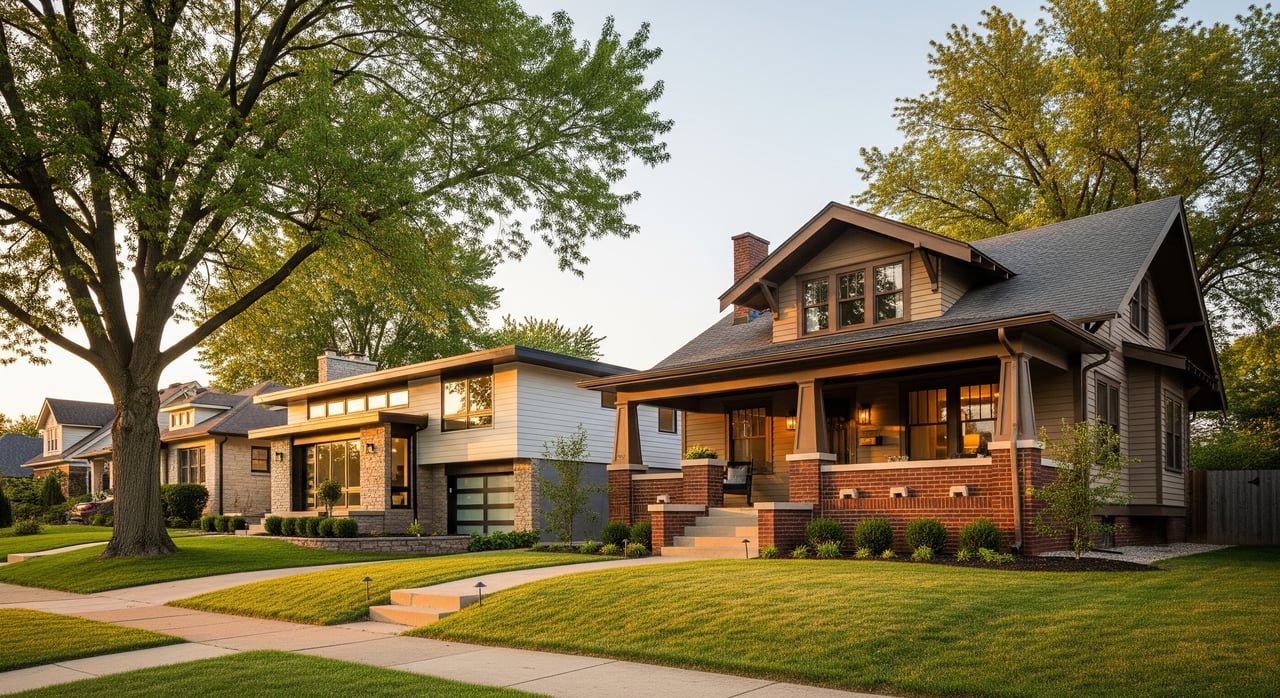
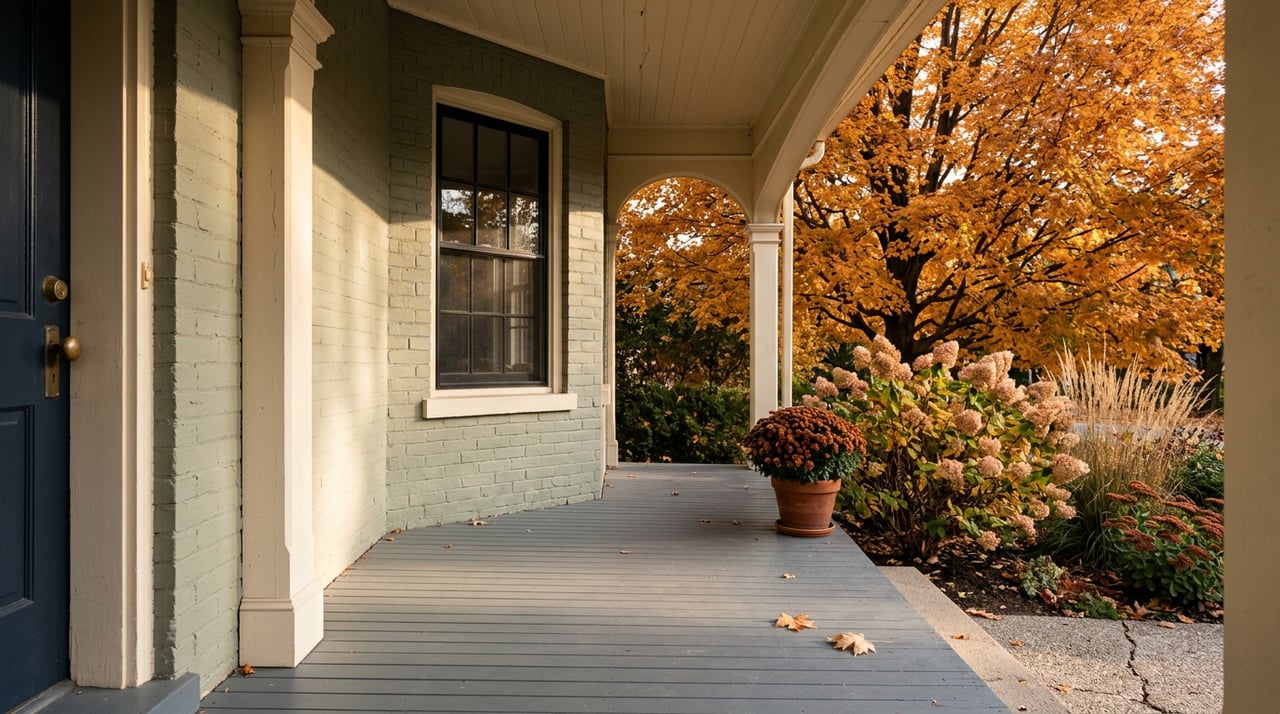
Bungalows are low‑profile and 1 to 1.5 stories. You will often notice a broad front porch with tapered columns, a low‑pitched gabled roof, and Craftsman details like exposed rafters or decorative brackets. Exteriors range from clapboard or shingle siding to brick veneer.
Plans are compact and efficient. Living and dining rooms sit together near the front, with a smaller kitchen toward the rear. Many have 2 to 3 bedrooms on the main or half‑story and a small attic room in some cases. Full basements are common and useful for storage, utilities, or extra living space.
Expect smaller city lots and narrower frontages that reflect early streetcar‑era development. Older basements may be stone, masonry, or poured concrete. Basement condition and drainage deserve attention during inspections.
Bungalows offer charm, period woodwork, and often a walkable setting relative to services. The tradeoffs can include smaller kitchens and closets, stairs to a half‑story, and older systems that may need updates. Original windows and insulation may not meet modern energy efficiency standards.
Ranches have a long, horizontal profile with a low‑pitched roof. Many include an attached garage that is part of the front facade. Materials vary from brick veneer to wood or vinyl siding.
Everything is on one level. You will typically find a living room, kitchen, 2 to 4 bedrooms, and an attached garage. Kitchens in earlier ranches may be more closed, while later versions trend more open. Foundations vary by lot and builder. Some have full basements, others have crawlspaces or slab‑on‑grade.
Ranches tend to sit on wider lots with larger yards common in mid‑century subdivisions. If slab‑on‑grade, plan your utility and plumbing strategy upfront since under‑floor access is limited.
Single‑level living is the standout benefit. Ranches are popular for aging in place and for easier accessibility. They are also flexible to remodel for an open concept. Watch for dated mechanicals, slab plumbing access limits, and older finishes. Some older remodels may include materials that need careful handling.
Split‑levels look horizontal like ranches but with staggered rooflines. Inside, short stair runs connect levels. Entries often open to a landing that leads up to main living and down to family or utility spaces.
Most split‑levels have three zones. The main level holds living and dining. Bedrooms sit a short flight up. A lower level provides a family room or den, mechanicals, and sometimes garage or basement access. This separation helps keep active and quiet areas distinct.
Many were built for sloped lots or to add square footage on modest lot sizes. Daylight or half‑basements are common. Drainage on the downhill side is important to review.
Split‑levels often offer more living area for the price compared with similar ranches. Families appreciate separate zones for noise control. The short stairs can be a drawback for accessibility, and some layouts are trickier to open up. Mechanical access in lower levels should be checked.
Our region brings humidity, freeze events, and heavy rains. A few items matter for every style:
Relative complexity and cost vary. Cosmetic updates and HVAC tune‑ups are usually lower complexity. Insulation upgrades, electrical panels, and bathroom remodels land in the middle. Foundation work, major structural changes, full waterproofing, or abatement are higher complexity.
Inventory in 64133 reflects a patchwork of eras block by block. To focus your search, filter by construction year to surface pre‑1940 bungalows and 1945–1975 ranch and split‑level homes. Cross‑check property records for age, lot size, and foundation type, and review listing photos for exterior cues like rooflines, porches, and garage placement.
If you are comparing two or three candidates, pull the tax record for foundation details and confirm any finished basements or additions were permitted. A quick call with your agent can clarify likely inspection priorities for each style before you write an offer.
Buying or selling in 64133 and want tailored advice on which style fits your goals, budget, and timeline? Reach out to Meredith Sterling for neighborhood‑smart guidance and a smooth path from search to closing.
Stay up to date on the latest real estate trends.


We pride ourselves in providing personalized solutions that bring our clients closer to their dream properties and enhance their long-term wealth.