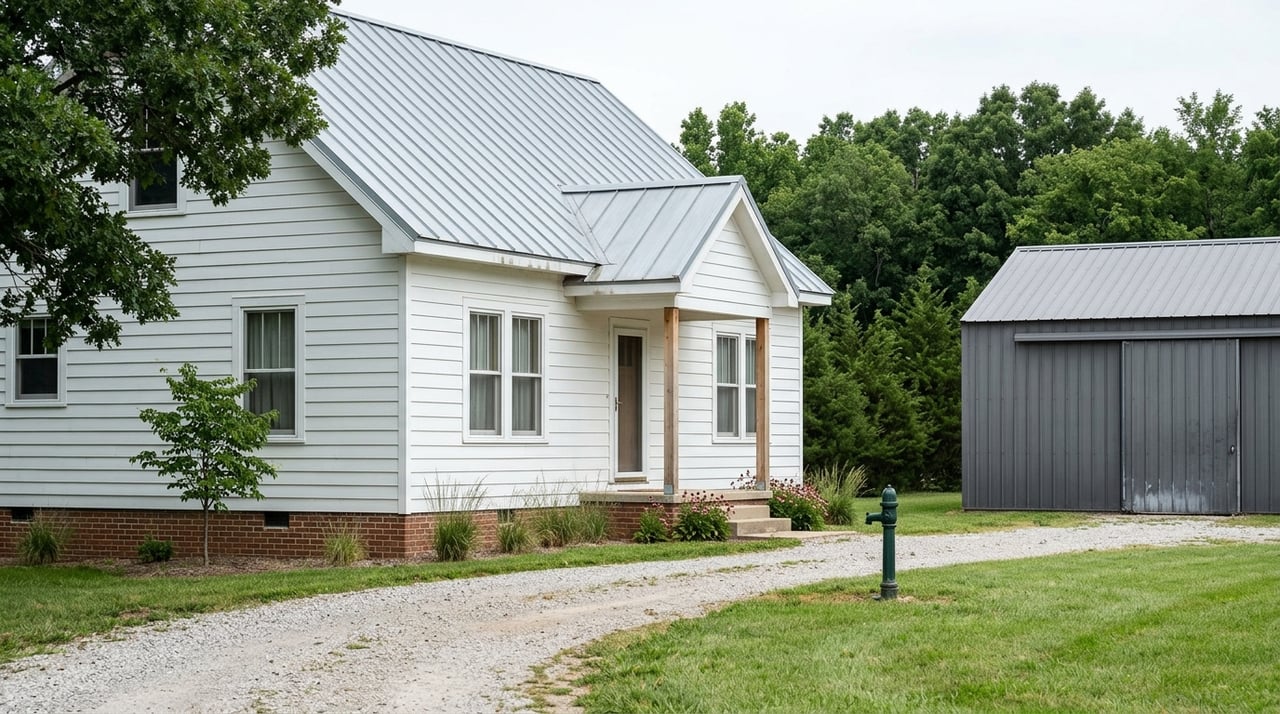
Buying Acreage in Cass County: A Smart Buyer’s Guide
April 23, 2026
April 23, 2026
Dreaming about a little more room to breathe in Cass County? Buying acreage or a mini-farm can be a great way to get land, privacy, and space for hobbies, animals, or future plans, but it also comes with a different set of rules than buying a typical suburban home. If you are looking in or around 64012, you need to think beyond the house itself and look closely at zoning, septic, wells, outbuildings, and financing. Here’s how to approach the process with fewer surprises and more confidence. Let’s dive in.
One of the biggest mistakes acreage buyers make is assuming land is land. In Cass County, zoning affects what you can do with a property, how much land is required, and whether your future plans fit the parcel at all.
According to the county’s zoning regulations, the Agricultural District requires at least 20 acres for an agricultural tract and allows up to two single-family residences on that tract. The Rural Residential District has a 3-acre minimum lot area and is intended for low-density single-family homes with onsite wastewater systems. You can review those standards in the county code on Ecode360.
There is another layer to watch. Cass County’s subdivision regulations define agricultural purposes as land of not less than 40 acres used for crops, pasturage, nursery, or livestock and poultry, while zoning definitions also describe agricultural-personal-use livestock as animals kept for personal or educational use rather than commercial use. That means your intended use matters just as much as the acreage number, and the same property can raise different questions depending on whether you want a homesite, hobby setup, or more active agricultural use. Those definitions are outlined in the county’s subdivision regulations.
If you want a horse, a few goats, a barn, or space for gardens, that does not automatically mean the property will be treated like a full farm. In many cases, the key question is whether the property is still primarily residential in nature.
That distinction matters for both compliance and financing. A property that functions like a home with incidental land use is usually easier to buy and finance than one that looks and operates like a working farm.
If you are shopping acreage near 64012, location can work in your favor. Belton is part of the Kansas City metro and sits about 17 miles south of downtown Kansas City with access to I-49, according to the Belton Economic Development Office.
For buyers, that means you may be able to find land while still keeping a practical commute into the metro. It can also help support resale appeal, especially for properties that feel residential first and rural second. In general, acreage closer to Belton and major commute routes tends to appeal to a broader pool of future buyers than more remote parcels or properties with more intensive agricultural features.
Some buyers want acreage now but also want flexibility later. If that is part of your thinking, bring it up early, not after closing.
Cass County requires plat review for large parcel subdivisions of 20 acres or more before recording, and the subdivision rules distinguish between simpler lot splits and more formal subdivisions that may require hearings and infrastructure review. You can review those details in the county’s subdivision code.
If a future split is important to you, this should be part of your due diligence from day one.
On acreage, utility due diligence often matters more than the kitchen finishes. A beautiful house on a difficult septic site or a poorly documented well can create expensive problems.
Missouri’s guidance for private wells says the wellhead must extend at least one foot above grade, and owners must maintain minimum setbacks from septic systems, sewers, fuel tanks, chemicals, and animal feedlots. The state also notes that the driller files a water-well report within 60 days of completion, which can help you track records during your investigation period. You can read the state’s well guidance through the Missouri Department of Natural Resources.
For septic, Cass County requires a permit before construction, modification, or repair of an onsite wastewater system in unincorporated areas. The county lists a $300 permit fee for new residential or commercial systems under 3,000 gallons per day and requires a certified soil morphology evaluation, site review, construction plans, and an application before excavation begins. The county also requires a septic inspection before the system is covered, with at least 24-hour notice, according to the county’s onsite wastewater ordinance.
Missouri’s Department of Health and Senior Services says about 25% of homes in Missouri rely on onsite wastewater systems, which helps explain why septic condition and soil suitability are such important resale issues in rural areas. You can find that information on the state’s onsite wastewater page.
If there is a detached workshop, barn apartment, or outbuilding with a bathroom, make sure the wastewater setup complies with county rules. Cass County specifically states that bathrooms in accessory structures must connect to the dwelling system or to an adequately designed separate system.
Acreage buyers often love the idea of a barn, shed, or post-frame building. That makes sense, but these improvements are not always simple from a permitting or loan perspective.
Cass County’s building department directs applicants to separate accessory-building applications and post-frame standards, and the county notes that permits are not issued at the time of application. In practical terms, that means if you plan to add a barn or large shop after closing, you should allow time for plan review. You can start with the county’s building codes, zoning, and environmental health page.
Fannie Mae notes that significant outbuildings, such as large barns, silos, storage areas, or facilities for farm-type animals, may indicate that a property is agricultural in nature. Lenders must determine whether the property is truly residential, and Fannie Mae does not purchase or securitize mortgages on agricultural properties such as farms or ranches. That guidance appears in Fannie Mae’s appraisal improvements section and general property eligibility standards.
The good news is that not every shed or small barn is a problem. Fannie Mae also recognizes that minimal outbuildings can fit a normal residential market. In other words, a home with a modest outbuilding and some personal-use land features may still finance like a residence, while a property built out for commercial or intensive farm use may not.
Financing is often where mini-farm dreams meet reality. The easiest properties to finance are usually the ones that clearly function as primary residences, even if they sit on several acres.
One option to explore is the USDA Section 502 Guaranteed Loan Program. USDA says this program can be used to purchase, build, rehabilitate, improve, or relocate a dwelling in an eligible rural area and may offer 100% financing for qualified buyers. USDA also says there are no set acreage limits, but the property cannot be income-producing, and you must meet income rules and occupy the home as your primary residence. You can review the program on the USDA Guaranteed Loan page.
If you want to use USDA financing, verify the address and household eligibility early through the USDA eligibility system. That small step can save a lot of time before you get too far into a property that does not fit the program.
These questions are especially important if the listing includes multiple structures, fenced areas, or features that suggest more than simple residential use.
If you are serious about buying acreage or a mini-farm in Cass County, keep your process simple and focused. Start with the items most likely to affect whether the property works for your goals.
Here is a practical checklist based on county and lender guidance:
Buying acreage in Cass County is not just about finding a house with land. You are also evaluating county rules, utility systems, future use, and whether the property will be easy to finance and resell later.
That is where local, hands-on guidance matters. If you are exploring acreage, hobby properties, or mini-farms in Belton, 64012, or surrounding parts of Cass County, Meredith Sterling can help you narrow the search, ask the right questions early, and move forward with a clear plan.
Stay up to date on the latest real estate trends.


We pride ourselves in providing personalized solutions that bring our clients closer to their dream properties and enhance their long-term wealth.